
Nutrition Strategies for GLP-1 Users with GI Sensitivity – Guest Post by Ethan Small, Dietetic Intern
What are GLP-1 medications, and why are so many people talking about them? If you’ve heard of semaglutide or tirzepatide aka Ozempic, Wegovy, or Mounjaro, you’ve already heard about GLP-1 receptor agonists. These medications mimic a naturally occurring hormone in the body called glucagon-like peptide-1 (GLP-1), which helps regulate blood sugar, appetite, and digestion. When GLP-1 levels rise, the stomach empties more slowly, insulin secretion increases, glucagon (which raises blood sugar) decreases, and many people notice that constant “food noise” in their head quiets down.
These changes make GLP-1 medications incredibly effective for improving blood sugar control and promoting weight loss, but they can also affect how the body processes food and nutrients. Slower digestion, reduced appetite, and changes in food preferences can all lead to challenges with nutrition, especially during the first few months of use. Understanding how these medications work and how to adjust eating habits can help minimize discomfort and support long-term health.
During the early stages of GLP-1 therapy, it’s common to experience gastrointestinal (GI) side effects such as nausea, bloating, constipation, or early fullness. These occur because food moves more slowly through the digestive tract. These symptoms typically appear during dose escalation and often improve over time. The same consensus emphasized that simple dietary adjustments, like eating smaller, lower-fat meals, chewing food thoroughly, and maintaining hydration, are highly effective for easing these symptoms and improving tolerance (Gorgojo-Martínez, 2022).
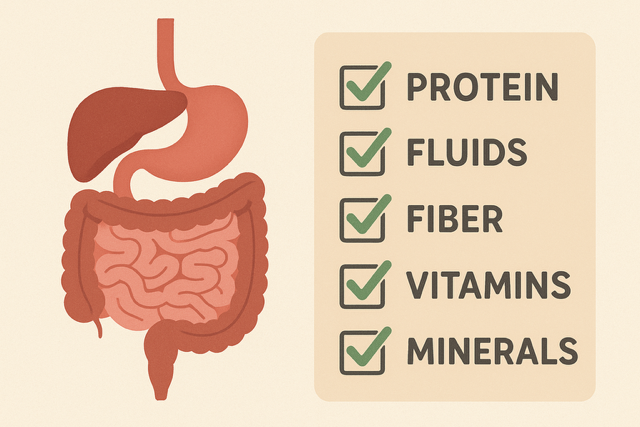
As appetite decreases, total calorie and nutrient intake often drop as well. At first, this might feel manageable or even beneficial, but eating too little can lead to fatigue, nutrient deficiencies, and loss of muscle mass. Individuals using GLP-1 receptor agonists found significant reductions in protein, fiber, calcium, magnesium, iron, potassium, and several vitamins compared to dietary recommendations (Johnson, 2025). Maintaining adequate protein and micronutrient intake is therefore essential for preserving muscle, supporting metabolism, and preventing malnutrition.
When eating feels difficult, focus on protein first. Protein helps maintain lean tissue and keeps you feeling satisfied even when portion sizes are small. Aim for around 25–30 grams per meal from foods like chicken, eggs, Greek yogurt, tofu, or beans. If appetite is very low, smoothies or protein shakes can be a practical option. Pair protein with soft fruits or cooked vegetables for additional fiber and hydration.
Constipation is another frequent issue with GLP-1 therapy. To help, increase fiber intake gradually and combine it with plenty of fluids, around 8 to 10 cups per day for most adults. Soluble fiber from oats, chia seeds, or psyllium is generally well tolerated. Besides eating, light physical activity after meals can also promote gut motility. If diarrhea occurs instead, stick to bland foods and replace fluids with electrolyte beverages to prevent dehydration.
Another common challenge is reduced variety in the diet. As appetite decreases, it’s easy to rely on the same few foods, which can lead to micronutrient gaps. Adding small portions of colorful fruits, vegetables, legumes, and nuts supports gut health and helps meet vitamin and mineral needs. If it remains difficult to eat balanced meals, a basic multivitamin or targeted supplements such as vitamin D, vitamin B12, or magnesium may be helpful, under professional guidance.
Hydration deserves special attention. Many people drink less water simply because they’re eating less. Keeping a refillable bottle nearby and sipping throughout the day helps maintain digestion, reduce constipation, and support energy.
GLP-1 medications are powerful tools for managing type 2 diabetes and supporting weight loss, but nutrition is what keeps the process sustainable. Paying attention to protein, fiber, hydration, and meal quality helps minimize side effects and preserve health while the medication does its work. These small, consistent habits can make a big difference, allowing you to feel your best and achieve the full benefits of GLP-1 therapy.
Recipe Round-Up:
· Southwest Chicken Skillet – balanced, high-protein meal idea
· Easy Overnight Oats – gentle fiber and hydration for gut health
· Pistachio & Pumpkin Seed Bars – nutrient-dense snack for variety
References:
Gorgojo-Martínez, J. J., Mezquita-Raya, P., Carretero-Gómez, J., Castro, A., Cebrián-Cuenca, A., de Torres-Sánchez, A., García-de-Lucas, M. D., Núñez, J., Obaya, J. C., Soler, M. J., Górriz, J. L., & Rubio-Herrera, M. Á. (2023). Clinical recommendations to manage gastrointestinal adverse events in patients treated with GLP-1 receptor agonists: A multidisciplinary expert consensus. Journal of Clinical Medicine, 12(1), 145. https://doi.org/10.3390/jcm12010145
Johnson, B., Milstead, M., Thomas, O., McGlasson, T., Green, L., Kreider, R., & Jones, R. (2025). Investigating nutrient intake during use of glucagon-like peptide-1 receptor agonist: A cross-sectional study. Frontiers in Nutrition, 12, 1566498. https://doi.org/10.3389/fnut.2025.1566498